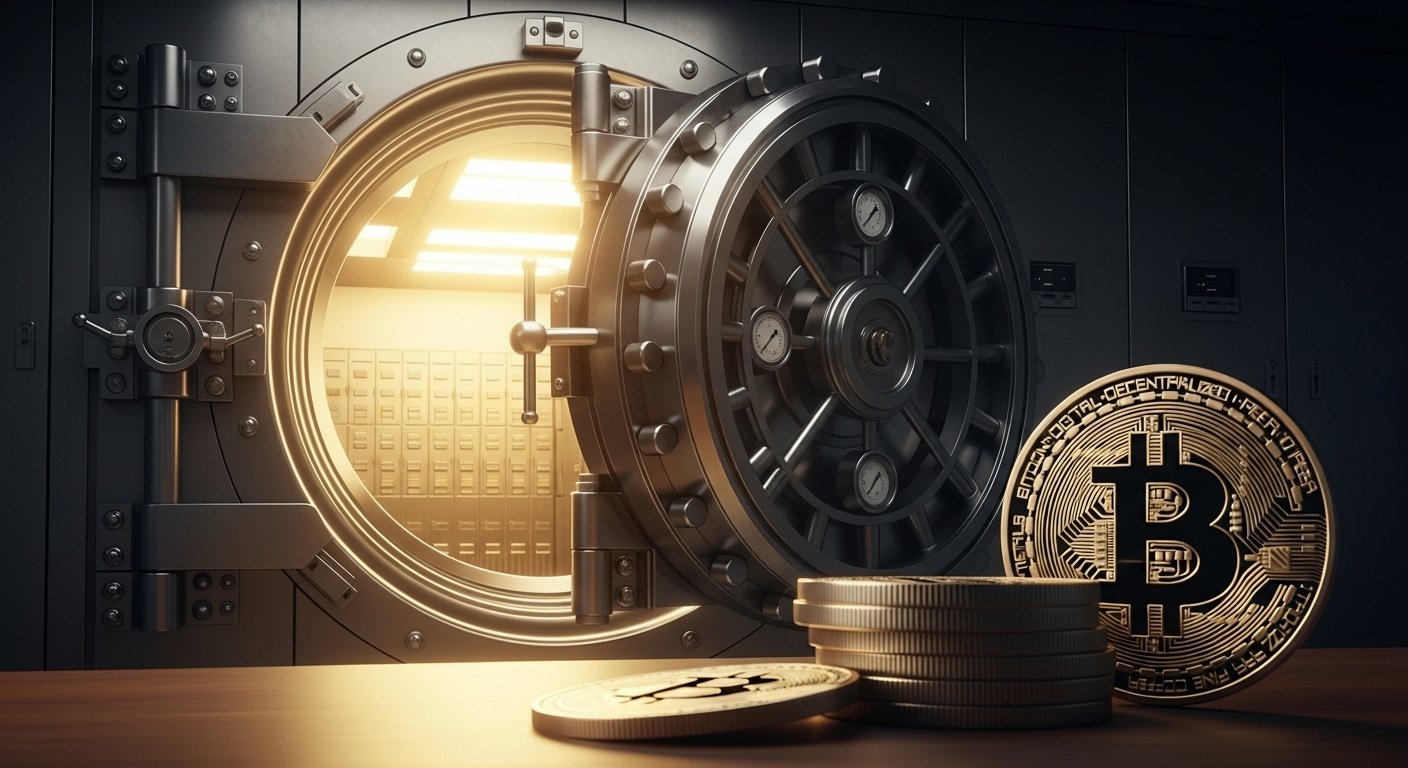
The Department of Justice (DOJ) has reportedly not sold the Bitcoin it seized from Samourai Wallet-related cases, according to comments from a White House crypto advisor. This revelation comes amid growing public interest in the handling of government-forfeited digital assets. For months, rumors have circulated about potential sales of these cryptocurrencies, leading to speculation about their impact on market prices.
The White House advisor emphasized that the DOJ continues to maintain custody of the assets, rather than liquidating them. This approach aligns with a broader government strategy of carefully managing seized crypto holdings to balance enforcement with market stability. Observers note that such transparency could influence investor confidence and shape expectations around the treatment of future forfeitures.
Implications for the Cryptocurrency Market
The confirmation that the DOJ has not sold the Samourai Bitcoin could have significant ramifications for the crypto ecosystem. Analysts argue that large-scale government sales often lead to sudden market volatility, making the restraint shown by authorities noteworthy. For traders and investors, this news offers a degree of reassurance that these assets are being managed prudently.
Moreover, the announcement highlights the evolving relationship between the government and digital currency markets. As cryptocurrencies continue to gain mainstream traction, regulatory oversight and asset management policies are under increasing scrutiny. Market participants are closely monitoring these developments, knowing that each move by authorities can signal broader trends for the industry.
Questions About Seized Crypto Management
The handling of seized cryptocurrencies by federal agencies raises important questions for both regulators and the public. Transparency, valuation, and the timing of any future sales are all under debate. Experts suggest that clear communication from agencies like the DOJ can reduce uncertainty and prevent market disruptions.
Additionally, the Samourai case underscores the legal complexities surrounding cryptocurrency forfeitures. Courts, law enforcement, and regulatory bodies must navigate a rapidly evolving landscape where digital assets pose unique challenges compared to traditional forms of property. How these cases are managed could set precedents for future enforcement actions.
FAQs
Q: Has the DOJ sold any of the Samourai Bitcoin?
A: No, the DOJ has confirmed that it has not sold the seized Bitcoin.
Q: Why is the management of seized crypto important?
A: Large sales of seized cryptocurrency can impact market prices and investor confidence, making careful management crucial.
Q: Could the DOJ sell the Bitcoin in the future?
A: While the DOJ has not sold it yet, any future decisions would likely be influenced by legal requirements and market considerations.
Q: What does this mean for investors?
A: Investors can view the DOJ’s restraint as a stabilizing factor in the market, reducing the risk of sudden price fluctuations.